You inherited something that works. You can also see that the way it is sold has not changed in fifteen years. The hard part is not knowing what to fix, it is fixing it without a fight at the dinner table.
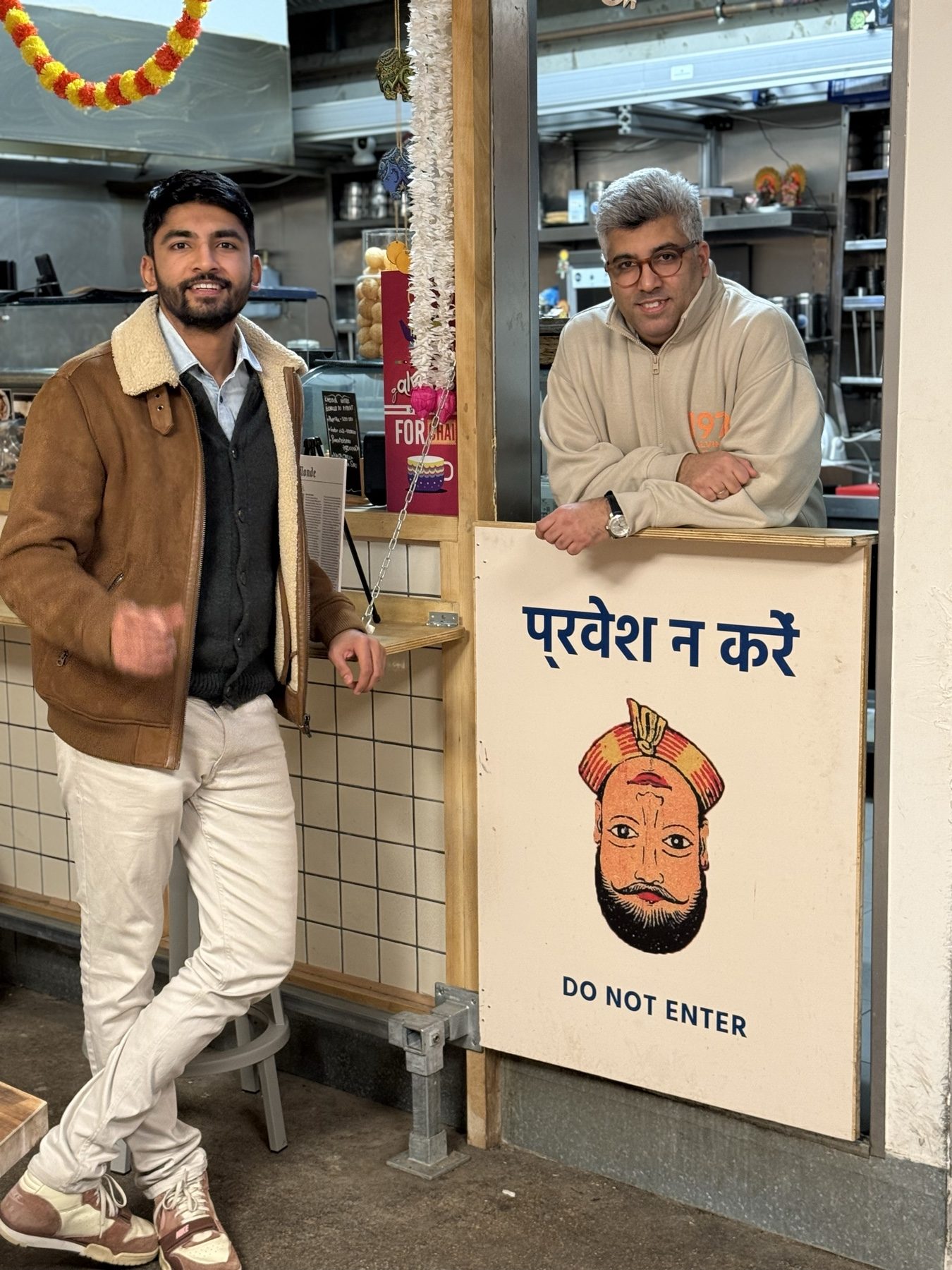
Two generations in the same room, in the business they run. Most of this job is that conversation.

Second generation founders usually arrive with a clear diagnosis. The website is old, the brand looks like 2009, nobody owns the customer data, and the sales team runs on relationships that will retire with them. None of that is difficult to solve. What is difficult is doing it while the person who built the company watches.
The first thing I produce is not creative. It is a plain reading of where revenue actually comes from today, what it costs to get it, and what happens to that number in five years if nothing changes. That document is what makes the conversation with the previous generation possible, because it argues in the language the business was built in.
A lot of what a family business has is genuinely valuable and unfashionable: long customer relationships, real manufacturing depth, a name people trust in a specific trade. I do not throw that away for a minimalist rebrand. I make it legible to a buyer who now starts on Google and finishes on WhatsApp.
Usually: one clear positioning the whole team can repeat, a site that a serious buyer takes seriously, a way to capture and follow up enquiries that does not live in one person's inbox, and a reporting rhythm so the next argument is settled with numbers.
Most family businesses get sold a campaign when what is missing is two layers underneath it.
Where revenue comes from today, by customer, by product and by channel. Almost always a surprise, and almost always the thing that ends the argument about whether any of this is needed.
One sentence that the founder, the son or daughter running it now, and the oldest salesperson would all say the same way. If they would not, no campaign is going to fix it.
Site, catalogue, certifications, case studies, search presence. This is the layer people think is the whole job. It is the third one.
Only now does spending money on reach make sense, with a monthly review that settles the next disagreement with numbers instead of instinct.
I am used to being the outside person in a room where everyone else is related. It is easier for a founder to hear a hard number from someone who is not his child, and easier for you to push for a change you did not have to argue for alone.
I would rather have him in the room than around it. The plans that fail are the ones the previous generation was never actually persuaded by, and those fail quietly, six months in, when the budget stops.

Which is not the problem people assume it is. It means every change has to be explained in terms the founder already trusts: cost, risk, and what happens if it does not work.
One wants to protect what works, the other wants to move. Most of my job in the first quarter is finding the changes both can live with, and doing those first.
Real revenue, real reputation, and a presence that looks like a much smaller company. This is the easiest of the three to fix and the one that is left longest.
One page a month: spend, enquiries, cost per enquiry, the three things that moved, and the one thing I am worried about. It is written so it can be forwarded to whoever else needs to see it without translation.
In a family business the reporting has a second job, which is keeping everyone who has a say informed at the same time. A page that anybody can read does that. A dashboard nobody logs into does not.
No. I would rather have him in the room. Most of the plans that fail are the ones the previous generation was never actually persuaded by.
Yes, and usually faster than in consumer. B2B buyers research quietly before they ever call. Being findable and credible at that moment is most of the work.
Usually not the name. A name people in your trade already trust is an asset, not a liability. What normally needs changing is how the business explains itself, not what it is called.
It has to, because it is the most valuable thing you own. The work is making sure those relationships are recorded somewhere other than one person's phone, and that a buyer who has never met anyone can still find a reason to trust you.
One call, no deck. I will tell you whether I am the right person for it.
Book a call