Who I work with *

Marketing for Indian restaurateurs in Europe and the US

Before the agency I ran restaurants in Mumbai. That is the honest reason I understand this business better than a marketer who has only ever advertised one.

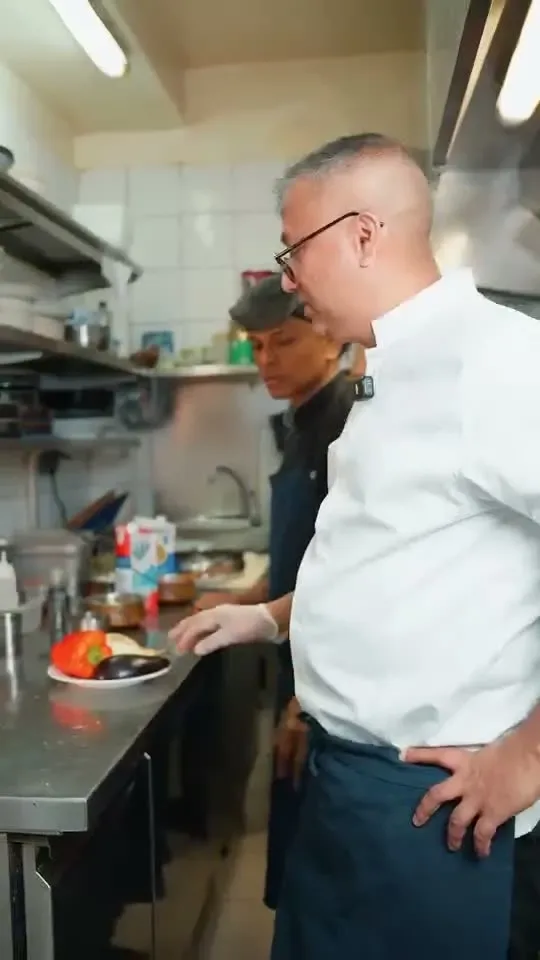
Manan Mehta outside an Indian bistro in France Outside an Indian bistro in France. Most of this work happens on the pavement, not in a deck.
The situation

Four things I look at before anything else

01

The positioning problem nobody wants to name

Indian restaurants abroad are frequently priced and perceived as cheap food, regardless of what is actually coming out of the kitchen. That is a positioning problem long before it is a marketing problem, and it is fixable, but not with a discount and a new logo. It gets fixed with what you photograph, what you name things, what you charge, and who you are seen next to.

02

Where the money actually leaks

Usually three places. Aggregator commission on orders that would have come direct. A Google Business Profile that is incomplete while a competitor two streets away is fully filled in. And a room that is full on Friday and empty on Tuesday with no attempt to shift that. None of these are glamorous and all of them pay back quickly.

03

Local search is the whole game

Most of your customers decide within about two kilometres and about ninety seconds. Photographs, hours, reviews, menu, and how fast the page loads on a phone in a street will move more covers than any campaign. I start there before I spend anything on ads.

04

What I know from the other side of the pass

Margins, wastage, what a bad Saturday does to a week, and the fact that a marketing plan which ignores kitchen capacity is a plan to give people a bad first visit. I will ask about covers and prep before I ask about your Instagram.
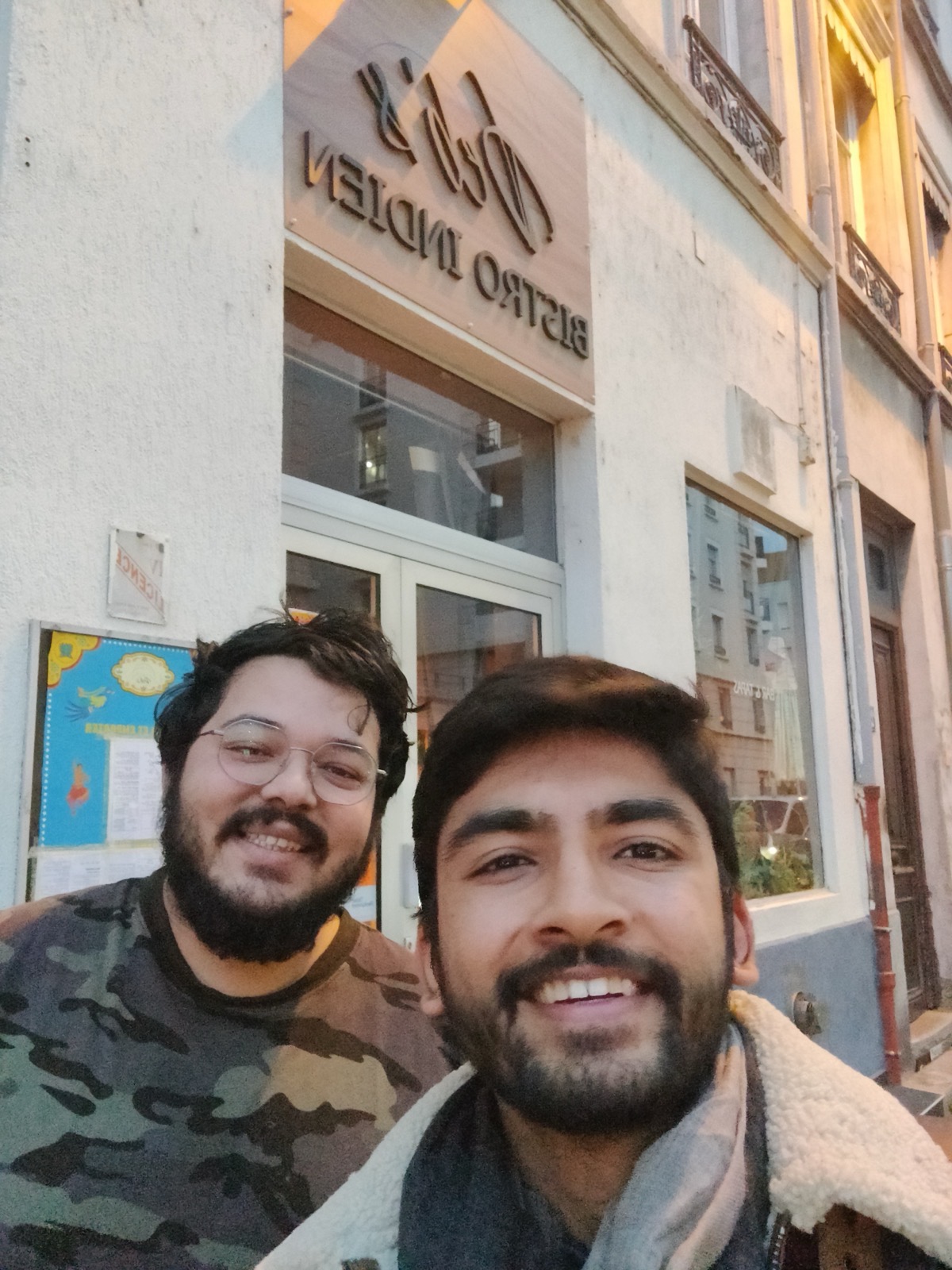
A chef cooking on the line in an Indian restaurant kitchen in France
Photography

The pictures set the price before the menu does

A guest decides roughly what your food is worth from the photographs, on a phone, before they have read a single word. If those pictures were taken on a Tuesday afternoon under the house lights, you are arguing uphill for the rest of the visit.

My crew shoots food and rooms properly, and there is enough of it that we are not reusing the same six images for a year. That is usually the single cheapest change with the largest effect on what you can charge.

The work

The France hospitality clients

Four Indian rooms in Lyon and Paris that my crew shoots and runs the content for.

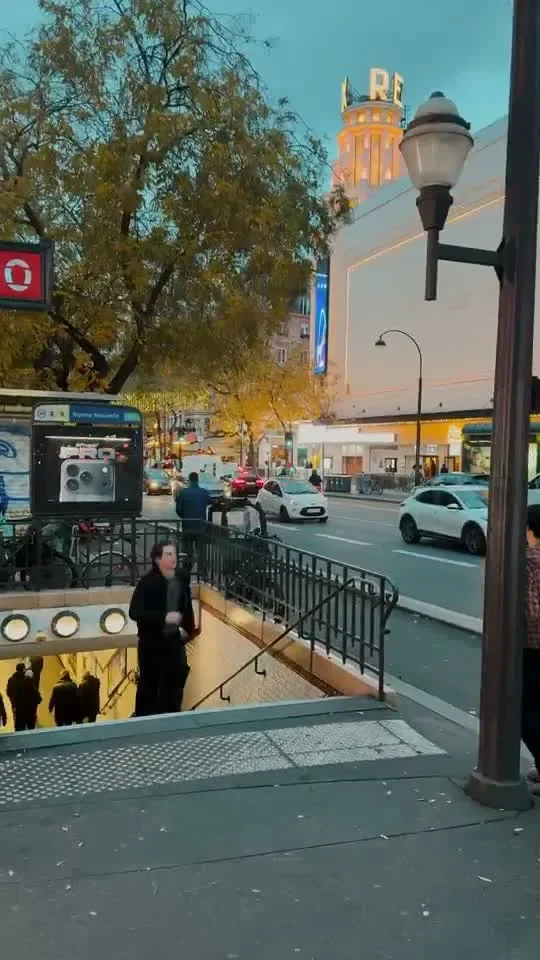
The Bollynaan shopfront seen from across the street in Lyon Bollynaan, Lyon
The shopfront filmed from across the street.
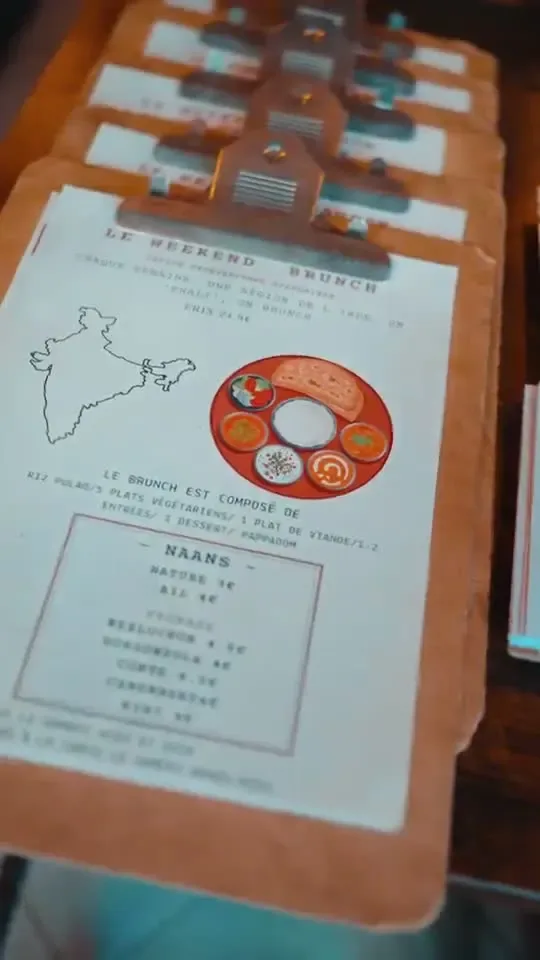
A printed restaurant menu on a wooden clipboard, with a map of India on the cover Deb's Bistro Indien, Lyon
The printed menu, with the map of India running down the middle of it.
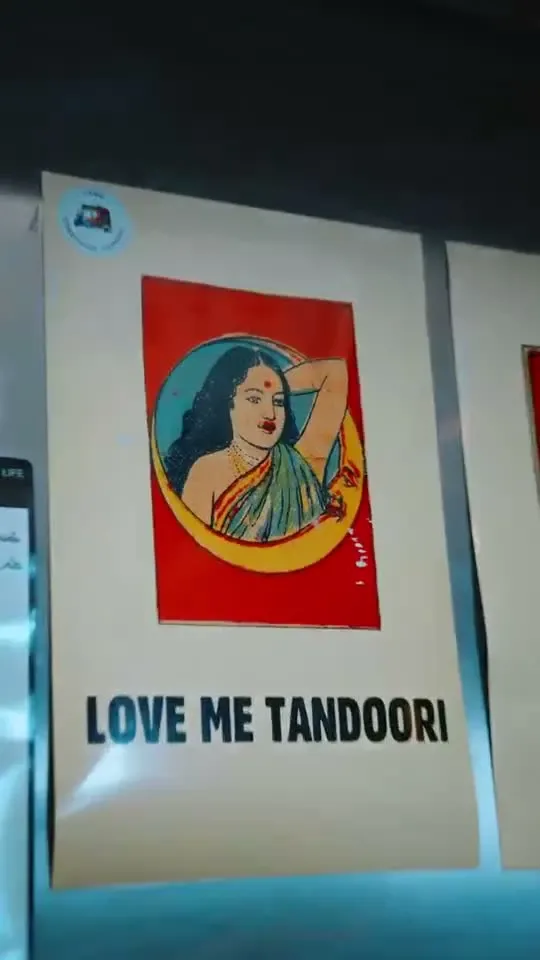
A framed poster on a wall reading Love Me Tandoori Deb's Street Food, Paris
A framed Love Me Tandoori poster on the wall of the room.
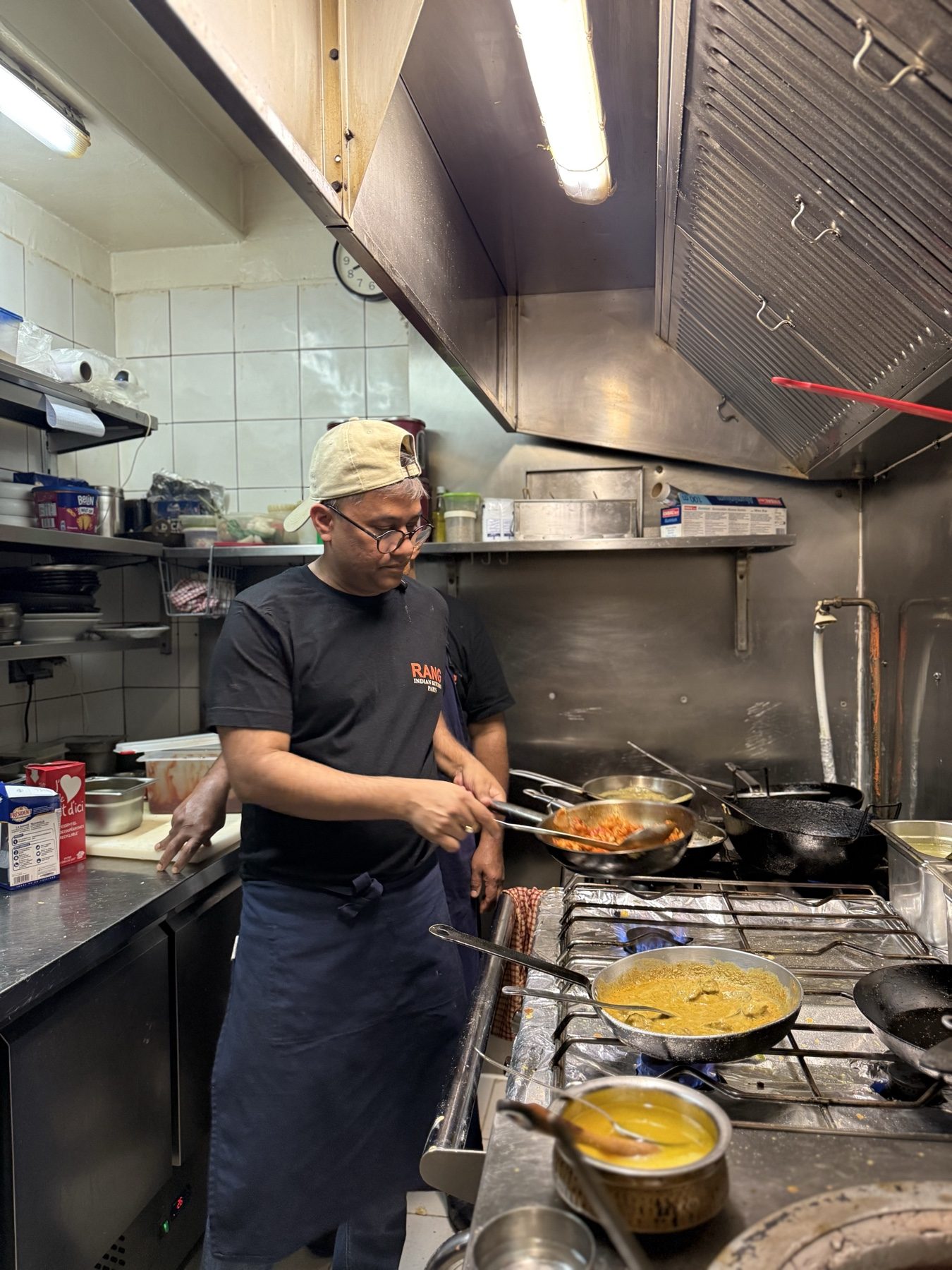
A chef in whites plating a dish on the kitchen pass Rang, Paris
A chef plating a dish at the pass.
Starting points

How these conversations usually begin

A

One room, full on Friday, empty on Tuesday

The food is not the problem. The week is. Most of the work is filling the quiet days without discounting the busy ones, and that is a marketing problem before it is a menu problem.

B

A second site is opening

Everything that was in the founder's head has to become something a second team can follow. Positioning, photography, the listings, the review routine, the offers calendar. Written down once, so it travels.

C

The reviews have slipped and nobody knows why

Ratings move slowly and then all at once. Usually it is one service issue plus a year of not asking happy customers to say anything. Both are fixable, and neither is fixed by advertising.

The monthly read

What lands in your inbox

Covers, spend, cost per cover, the delivery split, and where the reviews sit. One page, in plain language, with the one thing I am worried about at the bottom.

Restaurants get sold dashboards constantly. This is the opposite: the five numbers that decide whether next month is comfortable, and what is being done about the one that is off.

Being straight with you

What this is not

1

Not a discount engine

Running a permanent offer trains your regulars to wait for it. If price is the only reason someone comes, the next place with a coupon takes them.

2

Not an influencer programme by default

Some rooms are made for it and some are not. I would rather spend the first month on your listings, your photography and your review flow, which compound, than on a night of stories that does not.

3

Not a promise of covers before I have seen your numbers

Capacity, margin per cover, the delivery mix and the quiet days all decide what is realistic. Anyone quoting you a figure before that is selling, not planning.

Questions

Straight answers

Do you only work with Indian restaurants?

No, but this is the food business I have actually operated in, so it is where I can be most useful fastest.

Can you help with delivery aggregators?

Yes, mostly by reducing how dependent you are on them while keeping the volume they bring.

We are one site, not a group. Is that too small?

No. A single strong room is often easier to move than a chain, because you can change the menu, the pictures and the pricing in the same week and see the result by the weekend.

Want to talk about your situation specifically?

One call, no deck. I will tell you whether I am the right person for it.

Book a call