I run a marketing company of around sixty people across Mumbai, Lyon, Paris and Toronto. Everything on this page is what we actually do internally, not a framework I read about.
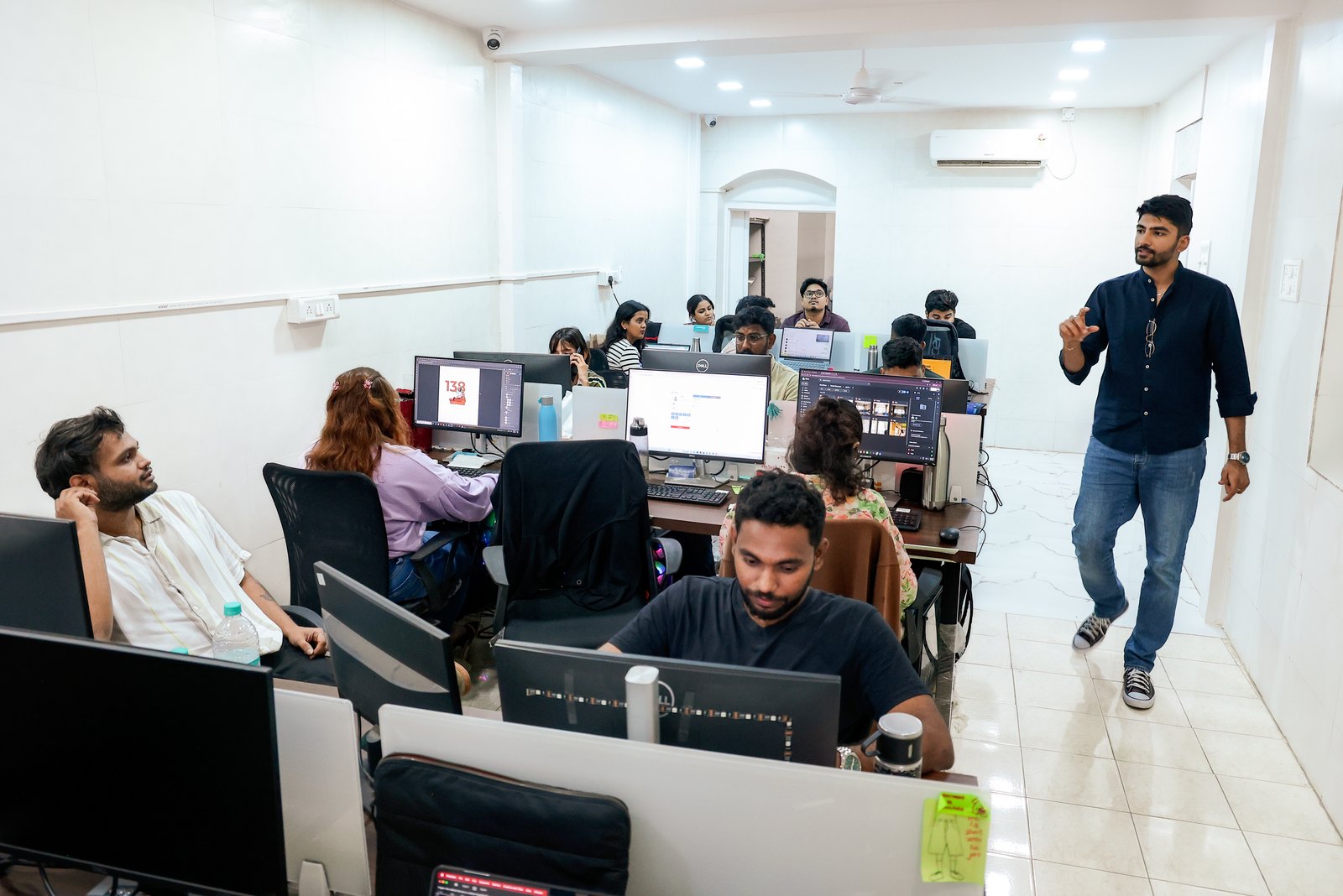
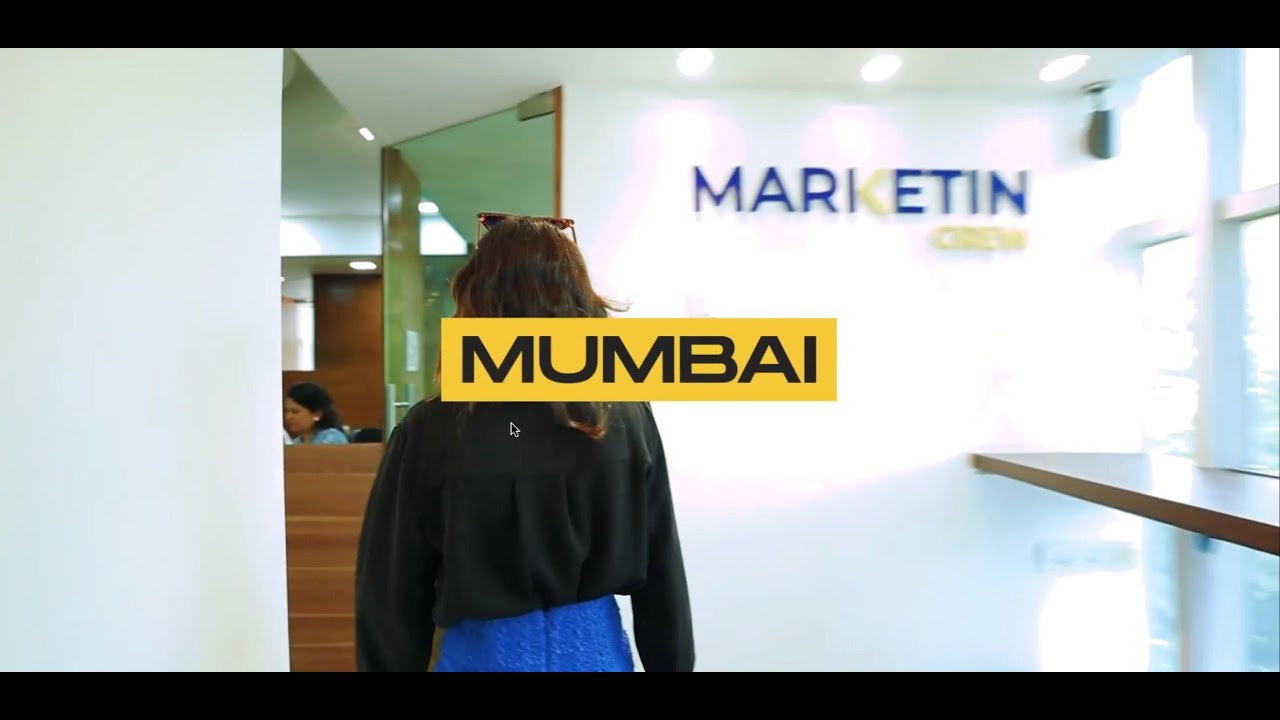
The engine room, Mumbai
Most remote teams fail on structure, not on people.
The usual story is that someone hires three good freelancers, work gets done for a while, and then it quietly stops scaling. Nobody owns quality. Briefs live in WhatsApp. The founder becomes the bottleneck for every approval, and the moment they get busy the output drops.
That is not a hiring problem. It is a structure problem. A remote team needs defined roles, a single place work lives, a review step that is not the founder, and a cadence that runs whether or not anyone chases it.
Each layer only works if the one under it already exists. Hiring before the structure is the expensive mistake.
What genuinely needs doing every week, monthly, and per campaign. Most lists shrink here.
Roles and hiring order. Which to hire, which to outsource, which not to fill yet.
Briefs, review, cadence, tools, and a definition of done.
Sourcing, structured interviews, and paid trials before anyone joins properly.
I run it, then a manager runs it, then I step back to oversight.
We start with the org chart you actually need for the next twelve months, not the one that matches your ambition. Usually that is fewer people than expected, hired in a specific order, because the wrong first hire creates work rather than absorbing it.
Then the operating layer: how a brief is written, who reviews, what a week looks like, which tools, and what gets measured. I hire into that structure with you and stay long enough that it runs without me.

Built, not borrowed
Five layers, hired in order, running on three rituals. This is the same team structure I run for my own agency.
Build yours →Every line here is real scope. If something is not listed, ask and I will tell you straight whether it is included.
Everything marketing genuinely has to produce weekly, monthly and per campaign.
Which roles, in which sequence, and which to deliberately not fill yet.
What good looks like for each seat, so interviews are about evidence rather than vibe.
Brief template, review step, weekly cadence, tool stack and a definition of done.
Sourcing, structured interviews and a paid trial before anyone joins properly.
I run it, then your manager runs it while I watch, then I move to oversight.
Map the work first, then design the smallest org that covers it, then build the operating layer of briefs, review and cadence, and only then hire. Hiring before the structure exists is the most common and most expensive mistake.
Either. Some clients want a team on their own payroll and I help design and hire it. Others want my crew to run the function. Plenty start with the second and move to the first.
Smaller than most founders assume. Most businesses under fifty crore need a strategy owner, one or two generalists who can execute, and specialist help bought in per campaign.
Whatever the team will actually use. Usually one project tool, one place for files, one for briefs, and a reporting sheet. Adding tools is rarely the fix.
One call, no deck. If it is not the right service for you I will say which one is.
Book a call